Intré Camp 6 February 2026 – La Vecchia Filanda
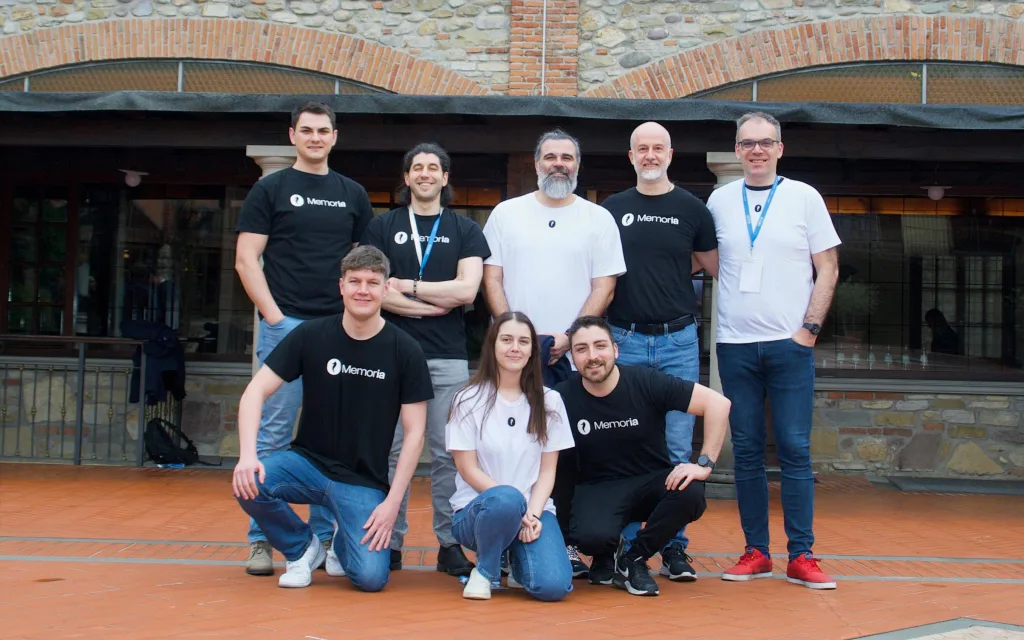
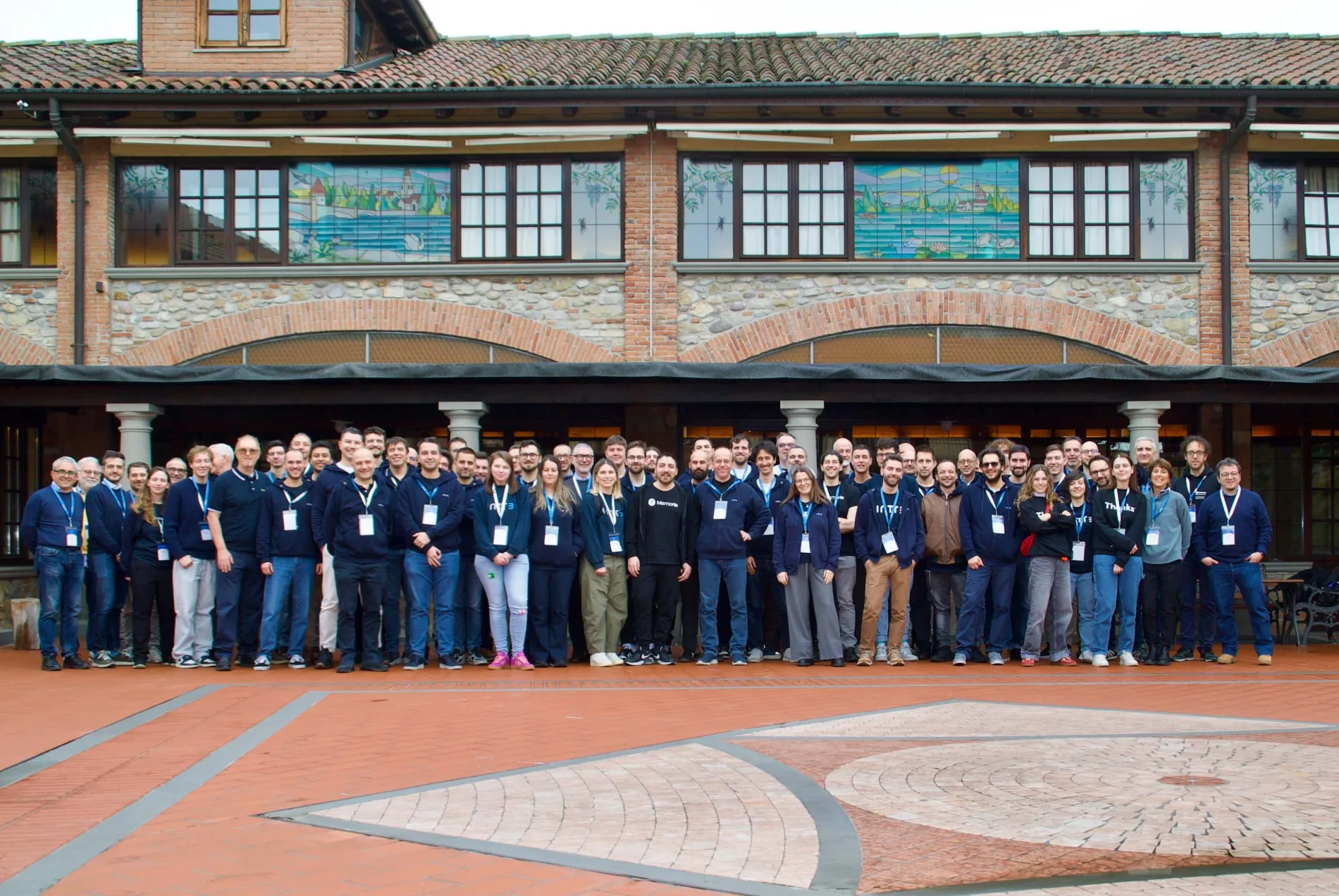
The first Intré Camp of 2026 took place on Friday 6 February, and for the occasion we returned to the La Vecchia Filanda farmhouse in Brusaporto (BG). The Camp is an important opportunity to exchange ideas, share thoughts and strengthen our sense of community.
In this article, Marta and I will take you through the day’s learning and knowledge-sharing activities, including our two main events: Gildonferenza and Unconference.
Enjoy the read!
Opening of the day
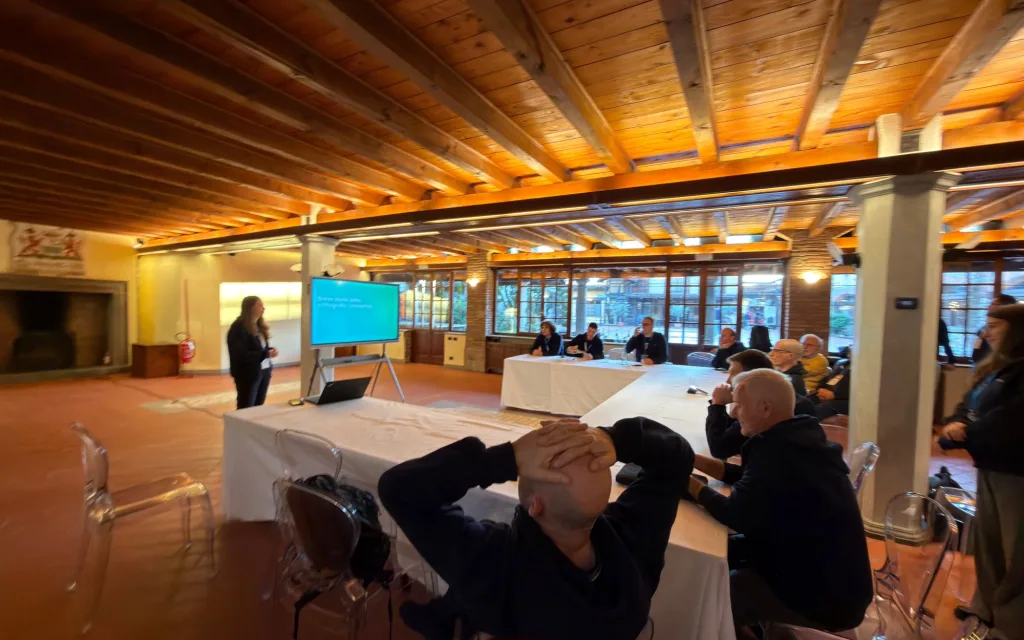
Francesco Rigillo, CEO of Intré and Betrusted, presented a summary report of the results achieved in 2025 and some internal initiatives.
After Francesco’s speech, Fabio Ghislandi, Executive Agile Coach and partner at Intré, introduced the external guests who actively participated in the day, then handed over to the moderators of the Gildonferenza, Stefano Maffeis and Emanuele Bassis.
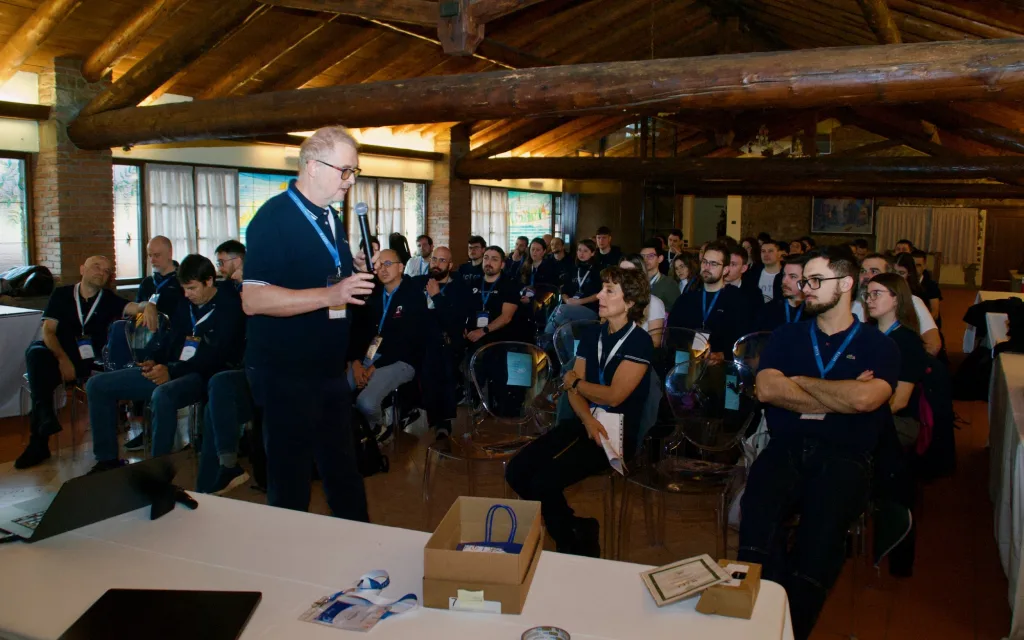
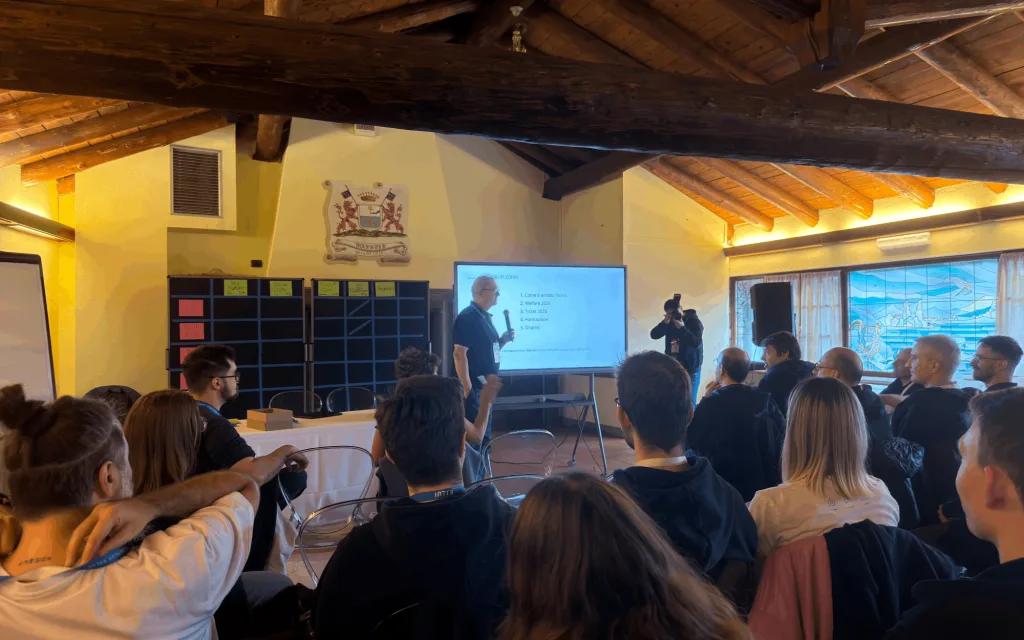
Gildonferenza
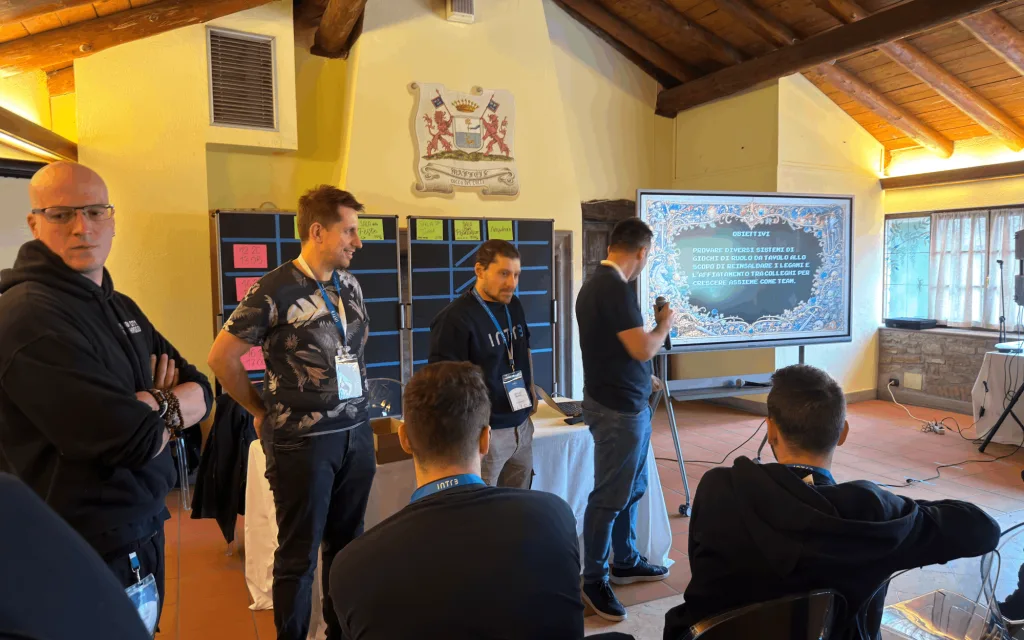
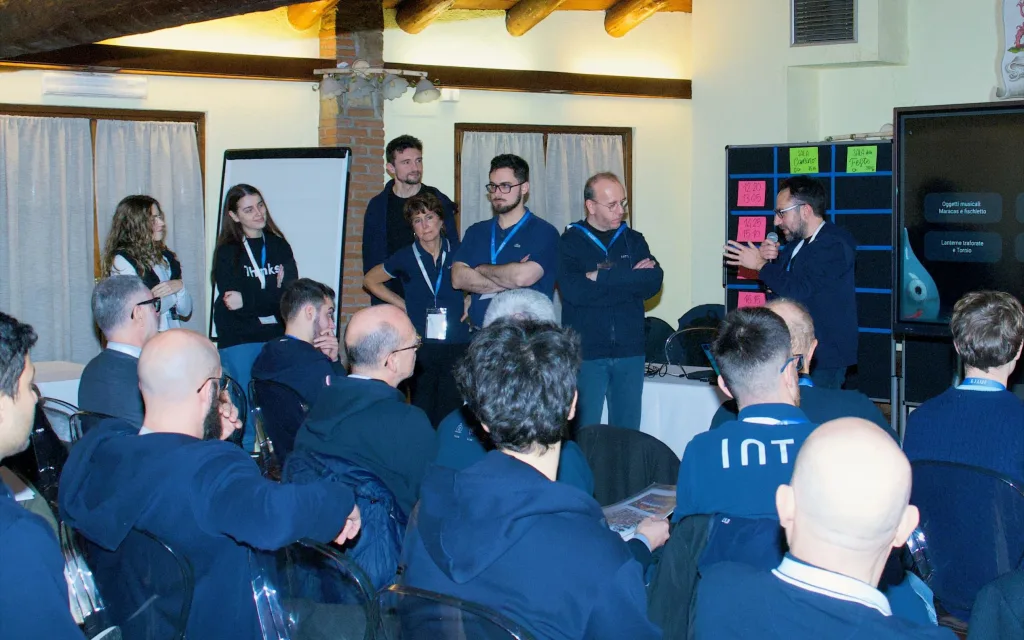
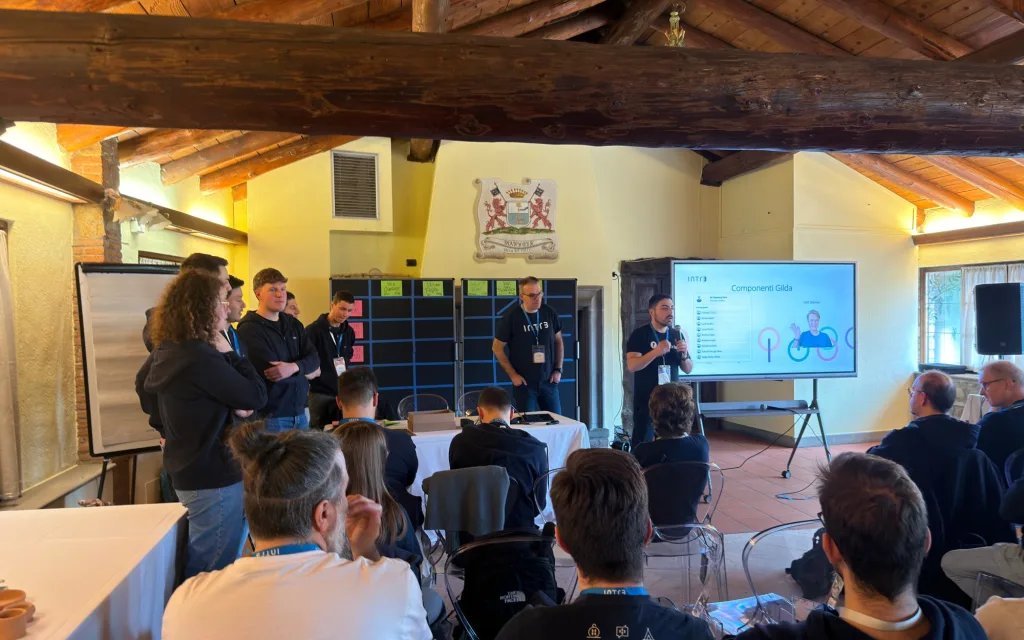
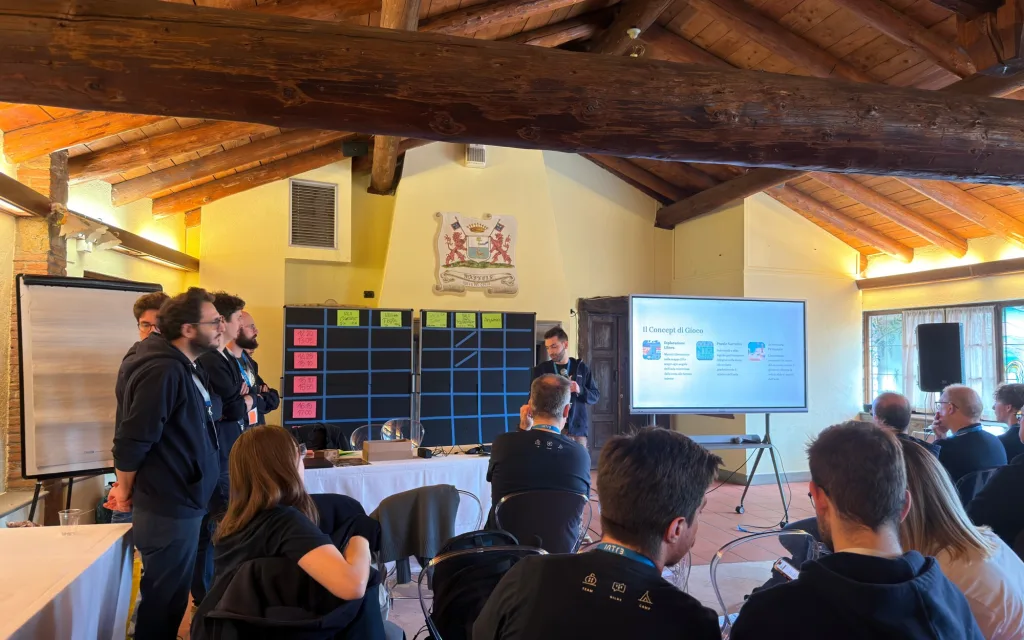
The name ‘Gildonferenza’ combines the concepts of Guild and conference. This event aims to highlight the activities of the Guilds through a brief presentation dedicated to sharing the results, ideas and experiences gathered over the last four months.
To find out more about Gilda’s programmes, read the dedicated article.
Below is a summary of the activities of the Guilds operating in the third quarter of 2025.
F#
The F# Guild adopted a highly practical approach in its exploration of the F# language, a functional .NET language. During the meetings, a significant amount of code was produced – over 5,100 lines in F# and more than 2,500 in C# – but the real value lay in the journey itself. Experimentation allowed the group to grapple with concepts that were anything but trivial and to question their real applicability in real contexts, especially on client projects already underway.
The output is a repository in the company’s GitLab: a knowledge archive and a concrete starting point for those who want to continue exploring.
Tabletop RPG
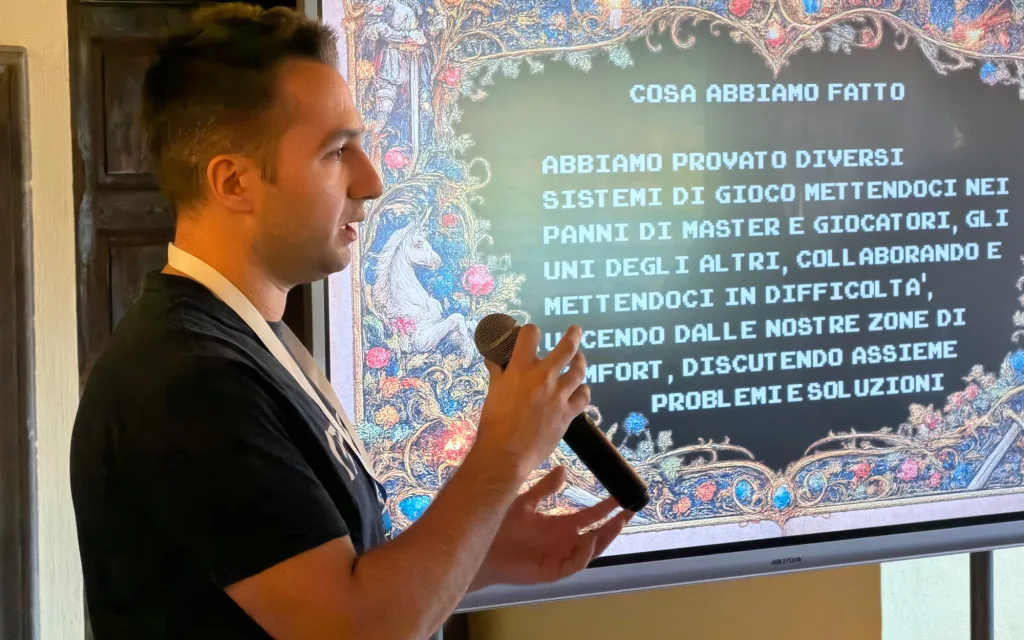
During the Guild sessions, the group explored three very different narrative universes, with a common goal: to strengthen team bonds and cohesion through role-playing. They tried out three different role-playing games:
- Prism, immersing themselves in the fears and tensions of a dystopian society;
- Numenera, a world built on the ruins of eight vanished civilisations;
- Dungeons & Dragons (fifth edition), a collaborative narrative aimed at telling valuable sagas, with friends sitting around a table weaving stories together, the only limits being their imagination.
i3Banchetto
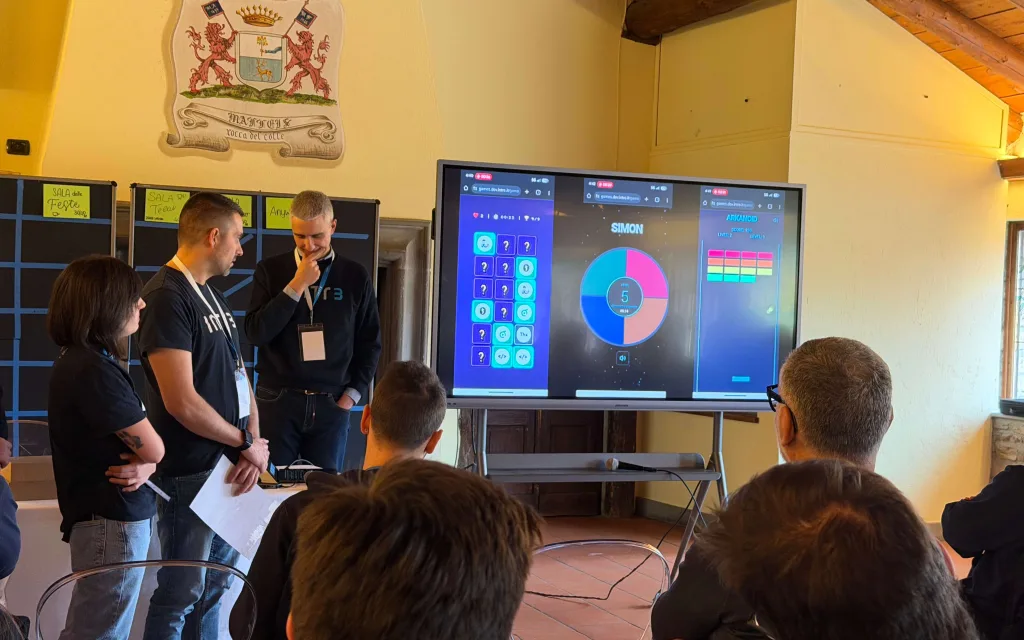
A guild with a clear goal: to revolutionise the experience of the stands we bring to conferences, transforming them from boring places into hubs of interaction. Starting from the idea of creating a flow that combines quick user registration via QR Code and instant mini-games, the group developed a complete web portal from scratch. This includes an administration panel, a registration management system and a suite of five mini-games (such as Tetris, Memory and Arkanoid), each with a leaderboard to fuel healthy competition. Built with modern technologies such as Angular, Phaser and Node.js, the project aims to increase lead acquisition and generate interest, but it has also allowed the team to gain practical insight into a game development framework.
Argilda – Ceramics workshop
This Guild is conceived as a collective journey that transforms the ancient art of ceramics into a metaphor for shared exploration. Participants embark on a journey through the fundamental stages of the history of clay, experimenting first-hand with modelling and decoration techniques. The experience is enriched by a profound and unexpected sensory approach: workshops in the dark and the use of natural elements, such as leaves and flowers, stimulate perception in new ways, encouraging the group to develop innovative forms of expression and communication.
PhotoSelector AI
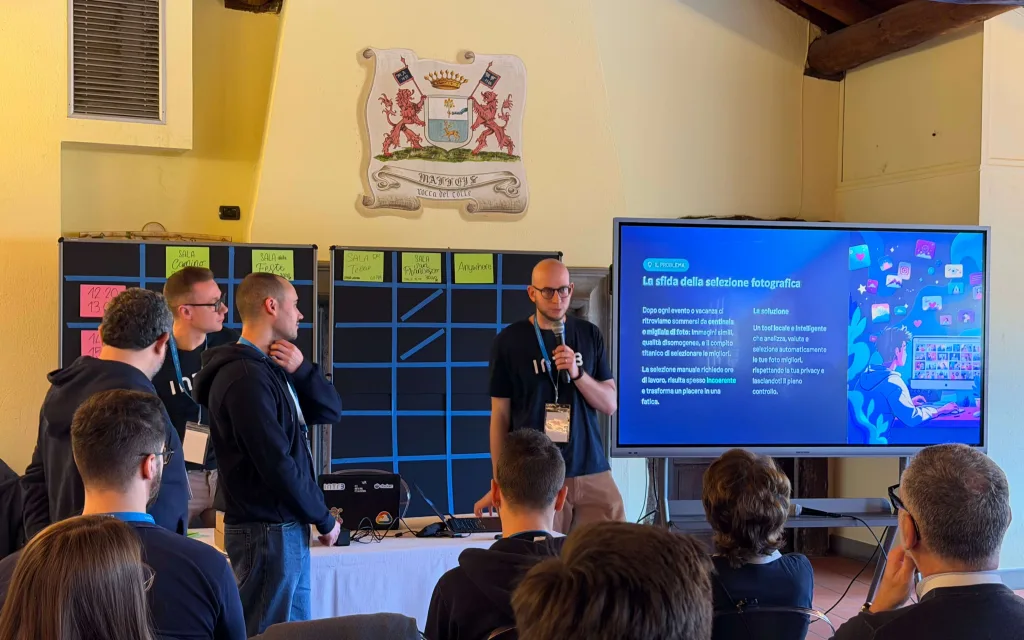
This Guild has addressed the problem that many people face when, after a holiday, they have to select the best photos from the hundreds they have taken. A complete and modular prototype has been developed that integrates five artificial intelligence models (including NIMA, PIQE + BRISQUE and CLIP) ranging from aesthetic and technical evaluation to semantic search and shot diversity, all without cloud dependencies and in full compliance with privacy regulations. The result is a working tool that can drastically reduce selection times and give users back control over their images.
The work has also revealed some current limitations: pre-trained models that sometimes misinterpret artistic style or lose details in compression. But it is precisely from this awareness that the group has laid the foundations for future developments, demonstrating that true innovation lies not only in technology, but in knowing how to question it with a critical eye.
AI Century Fox
The Guild worked on an artificial intelligence project that transforms a simple text prompt into a film product, automatically generating plots, posters and trailers through a system of collaborative AI agents. The work focused on exploring and integrating the most advanced technologies for agentive artificial intelligence, with the aim of thoroughly understanding the functioning, decision-making autonomy and integration possibilities of these systems.
To achieve this goal, the group analysed and implemented concepts such as Function Calling for structured invocation of tools, an MCP server as a central interface, and A2A protocols for efficient communication between agents, integrating everything into a .NET framework. The result is a working architecture in which a frontend initiates the process by querying a ‘Producer Agent’, which dynamically coordinates and activates the specialised agents needed to create the entire creative package, demonstrating the potential of multi-agent systems in the production of complex content.
Junior Angular Developer
In this Guild, created with the aim of preparing for the Junior Angular Developer certification, participants undertook a structured and collaborative learning programme. The meetings were divided between guided study of the official documentation, individual in-depth analysis and practical coding sessions, with the aim of consolidating the theoretical foundations of the framework and improving working methods.
As further proof of the knowledge acquired, the group developed an Angular version of Tic Tac Toe, the game of noughts and crosses.
Intréndo
This Guild has realized ‘Island Adventure’, an adventure video game developed with the Phaser engine. The goal was to create a solitary and immersive experience that challenges logic and the spirit of exploration, set on a mysterious island full of secrets. The team worked following an agile creative process that, starting from brainstorming, embraced every aspect: from game design and 2D environments with Tiled, to the composition of original audio, to the development of a compelling storyline with carefully crafted dialogue.
The result is a playable and robust video game, characterised by fluid movement, narrative puzzles, interesting graphics and an inclusive focus on LGBTQ+ themes, inviting the player on a truly personal adventure to discover every corner of the island.
Unconference
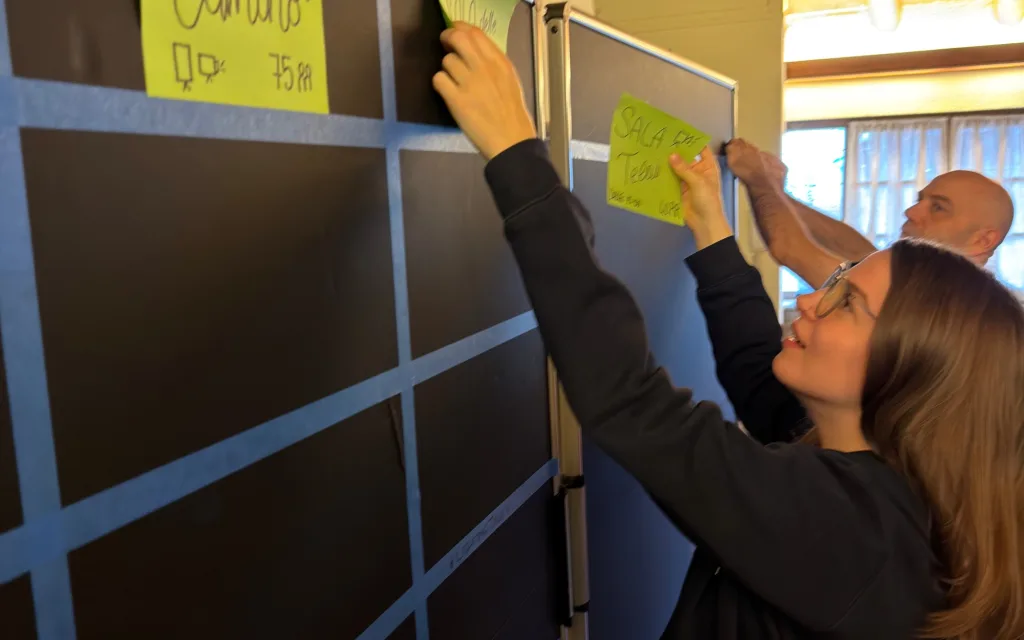
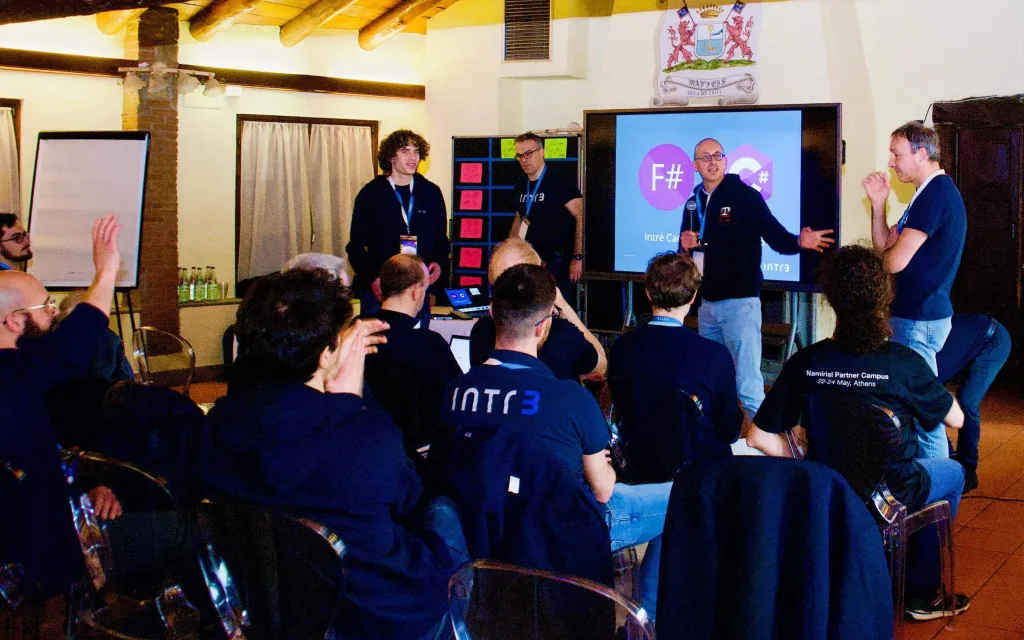
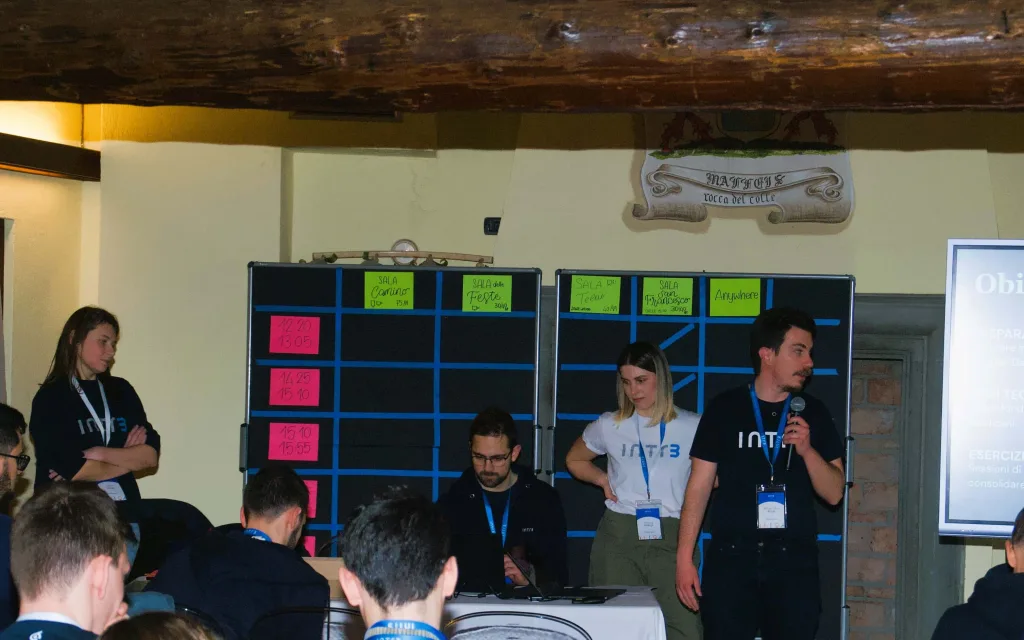
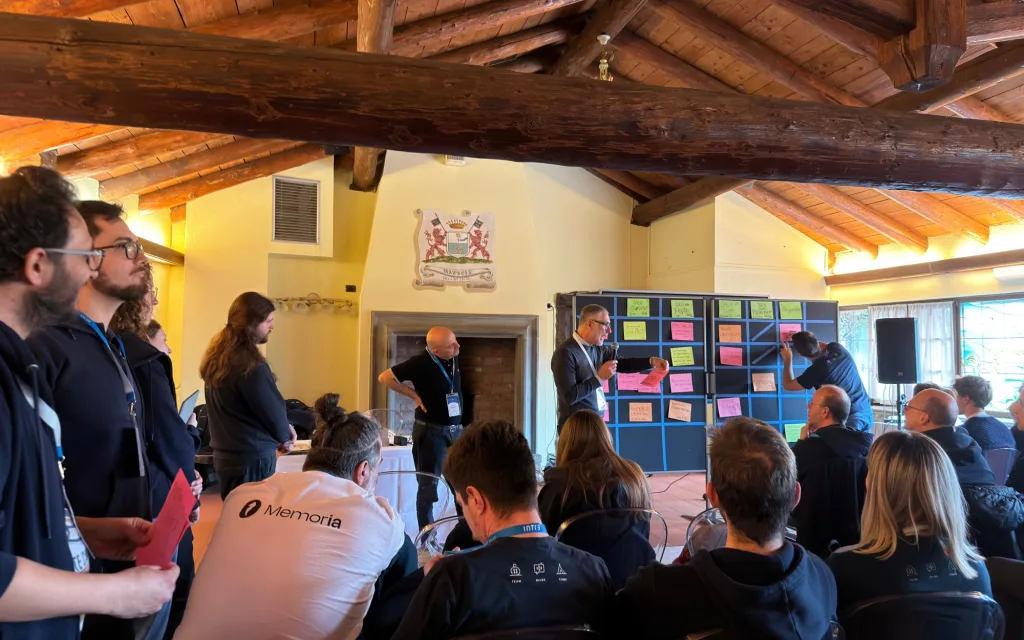
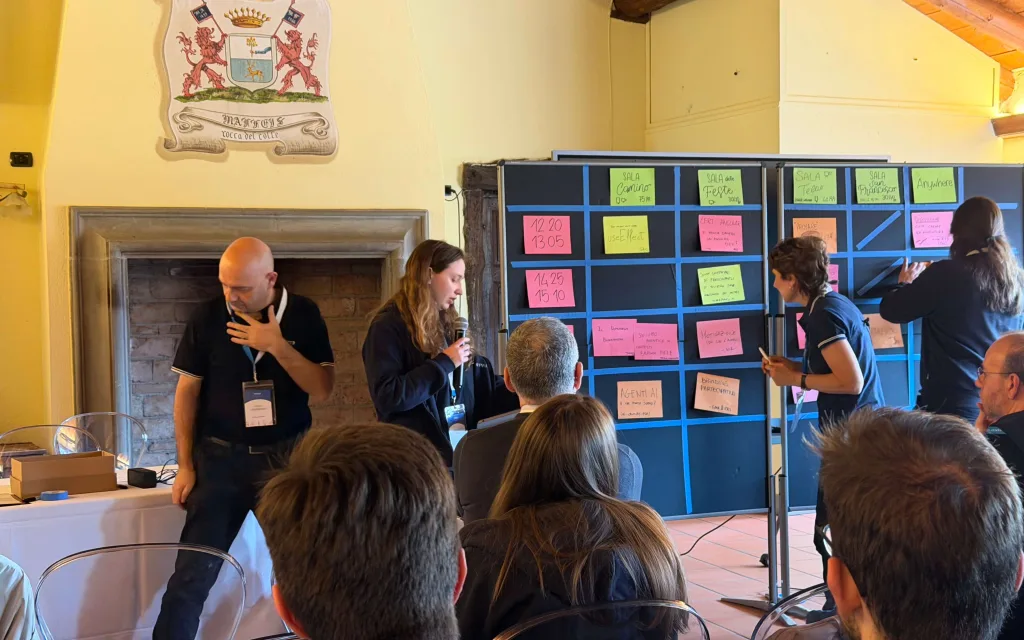
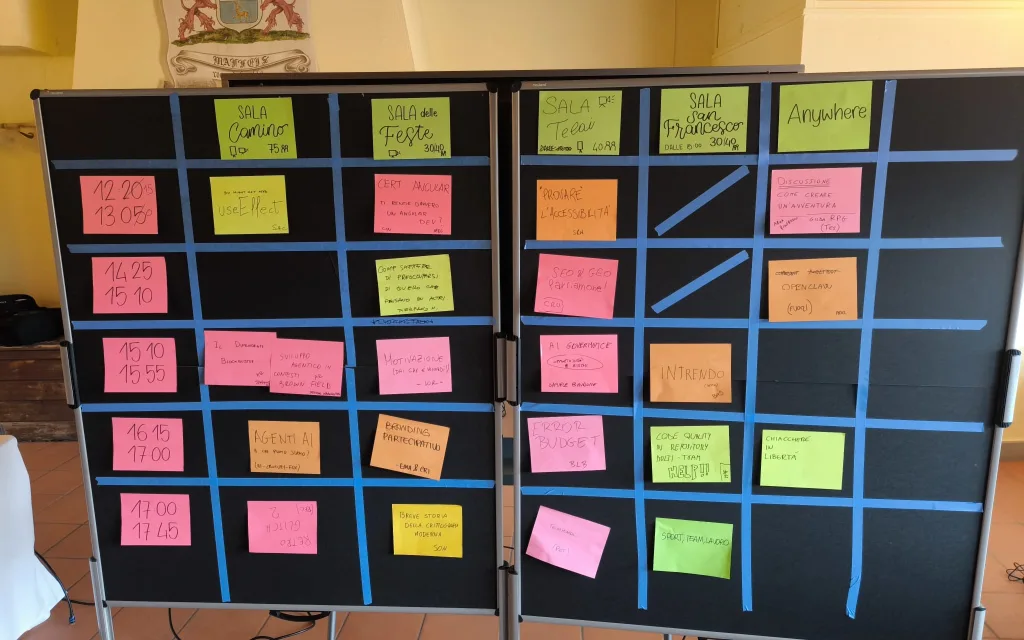
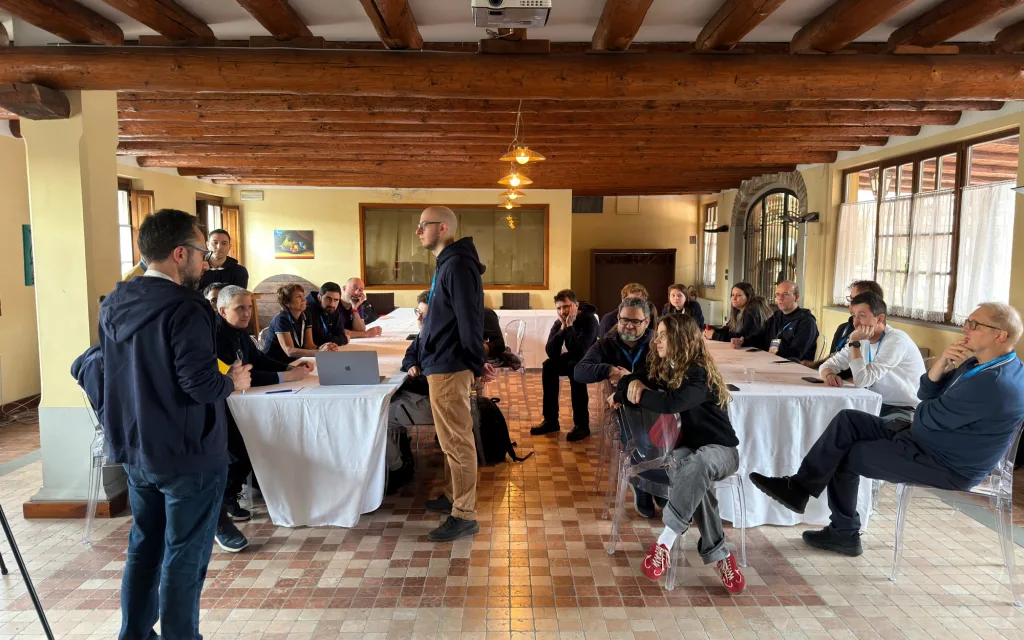
Once the Guild presentations were over, Fabio Ghislandi opened the Unconference by briefly explaining how it would work and illustrating the time slots and spaces available for people to propose and follow the sessions. Thank you to Fabio and Marta Ghislandi who, as always, prepared the board and cards with the instructions.
The first step is to generate proposals for presentations via the marketplace: each participant, equipped with post-it notes, presents their session and places it in one of the time slots provided in the agenda.
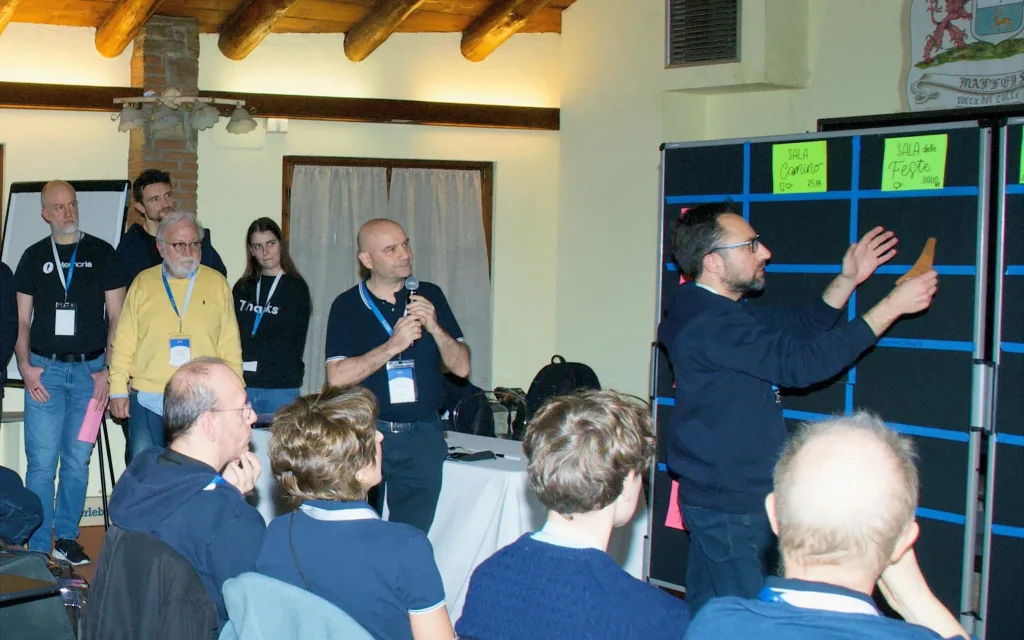
At the end of the presentation of proposals, a few minutes were set aside to confirm the configuration of the presentations or make changes, respecting a single rule: only those who request a change, together with the owner of the post-it note involved, can make a decision on the matter.
What did we talk about during the unconference?
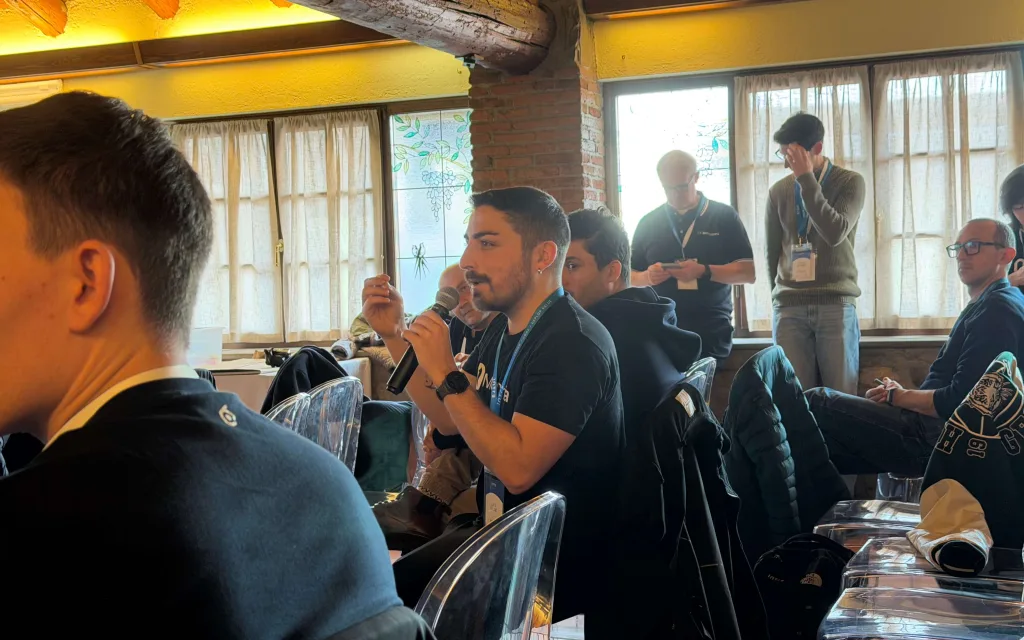
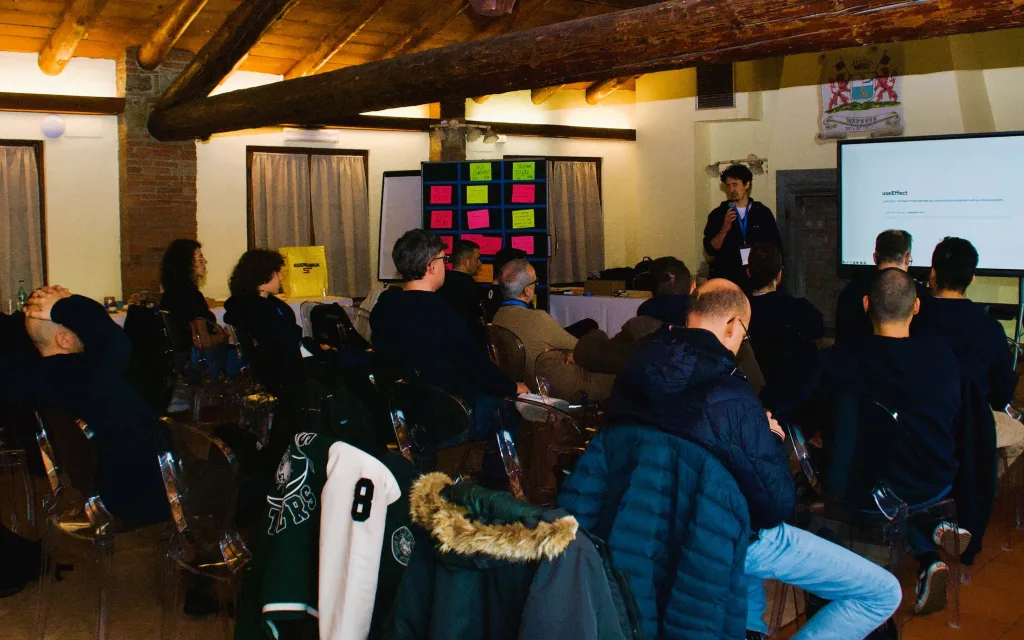
The unconference at this first Camp of 2026 was packed with topics, and the agenda made it difficult to choose which talks to attend.
The topics were varied: workshops on digital accessibility and participatory branding, talks on React and Use Effect, and reflections on the role of Artificial Intelligence in code development and how the role of the developer is changing. But that’s not all: we talked about modern cryptography and digital rights, how some bugs in video games have become features, how to combine sport with working life, and how this can impact and improve team relationships.
The list of topics covered could go on, but we want to take a closer look at some of the sessions we attended.
Stick, carrot and…?
On the occasion of this February 2026 Intré Camp, Marco Loregian, who at Intré serves as Agile Delivery Manager (ADM), analyzed the dynamics of human motivation in the workplace, highlighting the gap between traditional managerial practices and contemporary scientific evidence. The talk explores how motivation evolves from a basic survival instinct toward the search for fulfillment in creative work, emphasizing that external incentive systems (the “stick and carrot” paradigm) often prove counterproductive for complex tasks that require ingenuity and innovation.
Through the analysis of fundamental needs, goals, and mental representations, Marco describes a model in which the organization should not directly “motivate” people, but instead create the optimal environmental conditions for individuals to cultivate their own intrinsic motivation. This process is based on three key pillars: autonomy in how goals are achieved, the development of competence (or mastery), and the sharing of a purpose that goes beyond mere individual or corporate profit.
Here are some useful references:
- “Drive: The Surprising Truth About What Motivates Us“
- “From needs to goals and representations: Foundations for a unified theory of motivation, personality, and development.“
- “The Fifth Discipline: The Art and Practice of the Learning Organization“
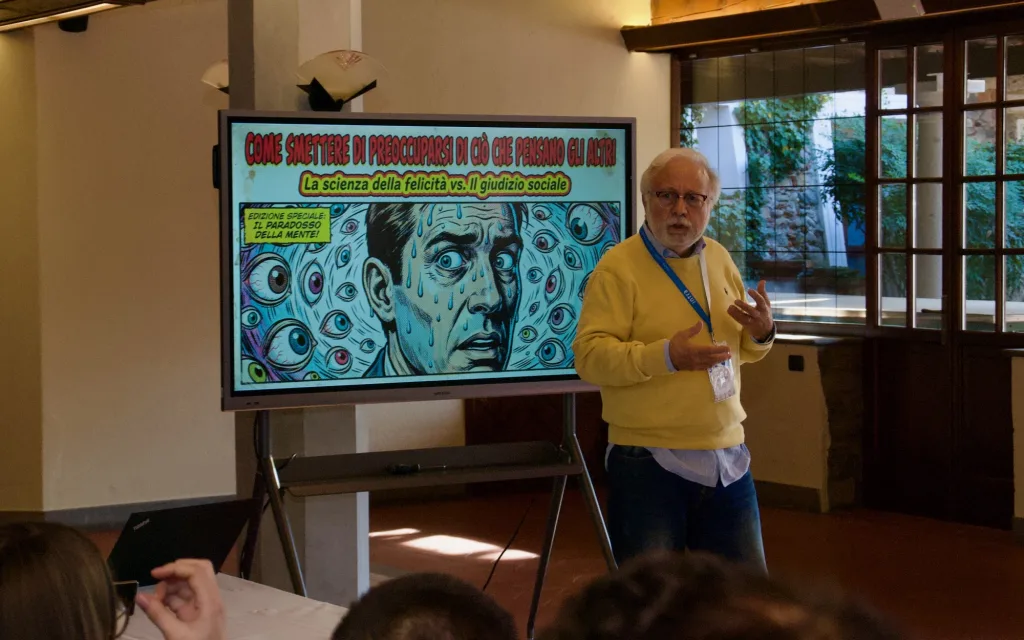
Why do we care so much about other people’s judgment? A guide to understanding it (and freeing ourselves from it, at least a little)
Pierpaolo Muzzolon, Business Coach and trainer also for Intré, delivered a talk focused on a sensitive topic: why do we care about other people’s judgment?
The desire for approval is not a weakness, but a universal human trait.
1. The roots of the problem
Our concern stems from two main factors:
- Psychological reason (data): We use other people’s opinions as “pieces of a puzzle” to build our identity and understand who we are.
- Evolutionary reason (survival): For our ancestors, exclusion from the group meant certain death. Today, our brain reacts to social rejection by activating the same areas involved in physical pain, but it does so disproportionately due to constant exposure to social media.
2. The blocking mechanism
This fear translates into two internal phenomena:
- Shame: A powerful emotion that makes us feel useless or immoral, pushing us toward conformist behaviors (such as virtue signaling) just to avoid exclusion.
- The handbrake: Fear of judgment activates the Behavioral Inhibition System (BIS), preventing us from acting, experimenting, and fully living, keeping us in a state of paralysis.
3. Strategies to free yourself
The text suggests three practical actions to release this “handbrake”:
- Recognize others’ indifference: Everyone is too focused on their own personal “psychodrama” to analyze our flaws. Remembering that “no one really cares” can be liberating.
- Own your flaws: Openly embracing your quirks or mistakes takes power away from others. If you’re the first to laugh about them, no one can use them against you.
- Stop judging: Judging others legitimizes, in our mind, the idea that others judge us. Turning judgment into neutral observation helps protect us from social anxiety.
In summary, the goal is not total indifference (typical of antisocial disorders), but balance. Understanding that we are biologically wired to fear judgment allows us to recognize it, put it into perspective, and ultimately open the door of our mental “prison.”
Digital Accessibility Workshop
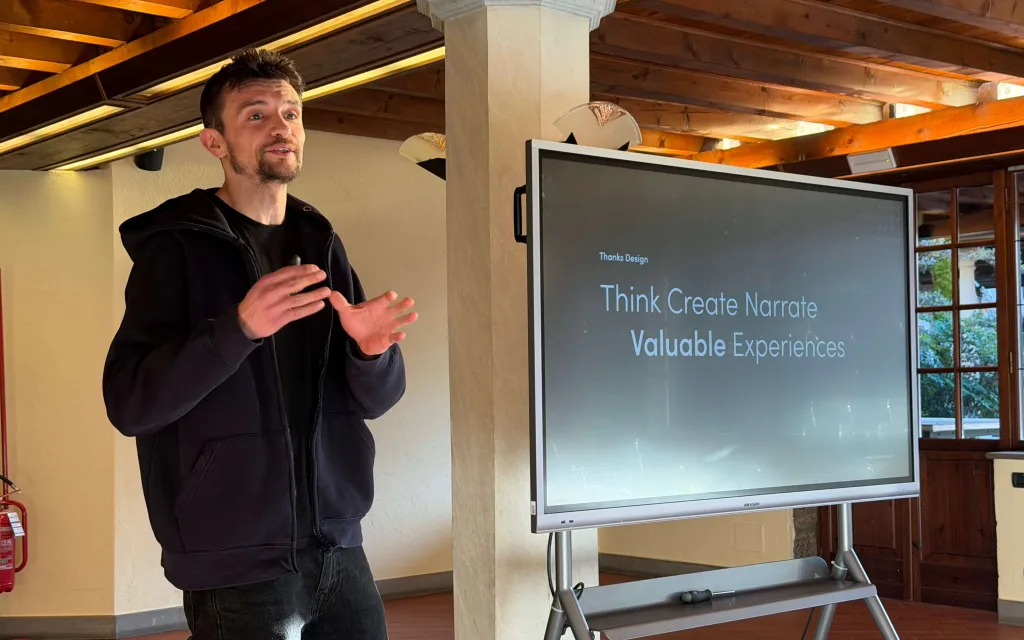
Andrea Sironi, designer at Thanks Design, delivered a workshop on digital accessibility. Andrea guided us through completing seemingly simple tasks using voice-over or only the keyboard on websites of well-known airlines and accommodation booking platforms. What we realized is that booking a vacation with tools that are supposed to support accessibility is difficult, if not impossible. True digital accessibility is further away than we think.
Participatory Branding
Emanuele Mantovani and Cristina Azzarito, Head of Design and Designer at Thanks Design, showed us how a participatory branding workshop works. They support teams that want to create a new brand, from naming to defining its mission, vision, and value proposition, from logo design to the creation of the brand identity. Emanuele and Cristina demonstrated how this process happens through the use of canvases and other participatory tools, showing us the brand identity journey of Dnamic and Human Reloaded.
A Brief History of Modern Cryptography up to Digital Rights
Valentina Sona, Offensive Security Specialist at Betrusted, delivered a session on modern cryptography and today’s digital rights, leaving us with a key message: we must choose digital applications and products with security and privacy in mind, along with the other factors that influence our decisions.
European apps, which are often chosen today instead of non-EU ones, do not always meet security and data-privacy protocols. Therefore, being European is not, in itself, a guarantee in this regard. Learning about a service before choosing to use it is essential to protect our data.
Conclusion
The last session of the unconference came to a close, but not the day!
Before saying goodbye, we gathered in the main hall to exchange feedback on this first Intré Camp of 2026, sharing impressions and ideas.
See you in June for the next Intré Camp!
See you next time!